Wall mode: 'what happens in the walls stays in the walls'.

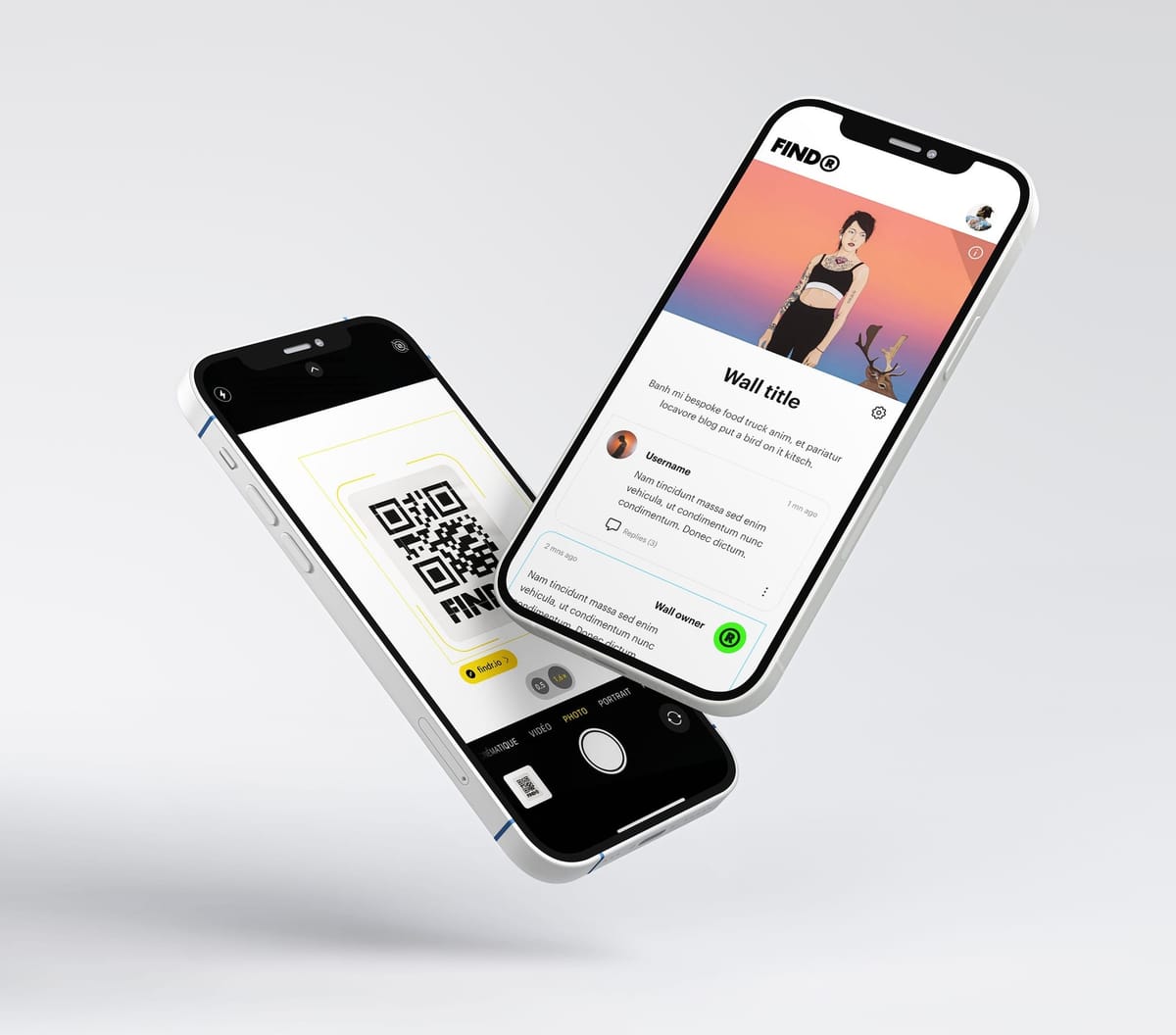
It started with a simple observation. At the beginning of the adventure, 2 years ago one of our investors looked at a FindR sticker and asked a question that sounded almost naive at first: what if your stickers could talk?
That single sentence quietly shifted everything. Until then, FindR was about protecting objects, but that question pushed us to rethink the sticker as a gateway, not just to recovery, but to expression.
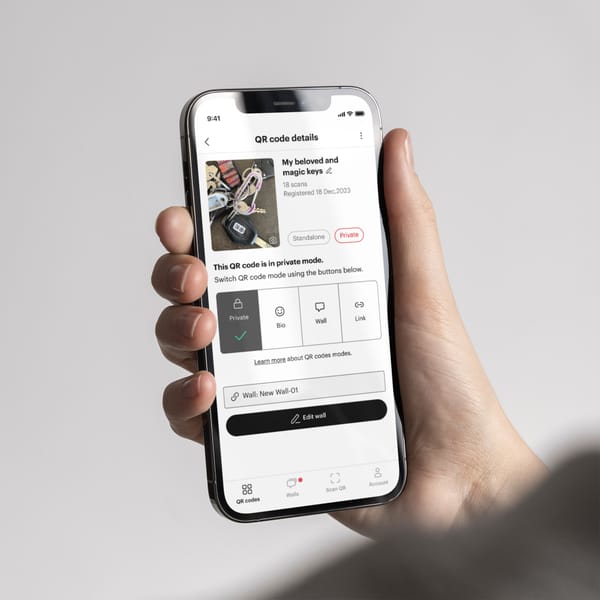
That is how FindR evolved into a multi usage QR code wallet, a place where one scan could open a message, a profile, a function, or a shared space.
From there, Walls were born. Not as a feature on a roadmap, but as a necessity. If people were going to talk through a QR code, they needed a place to talk together.
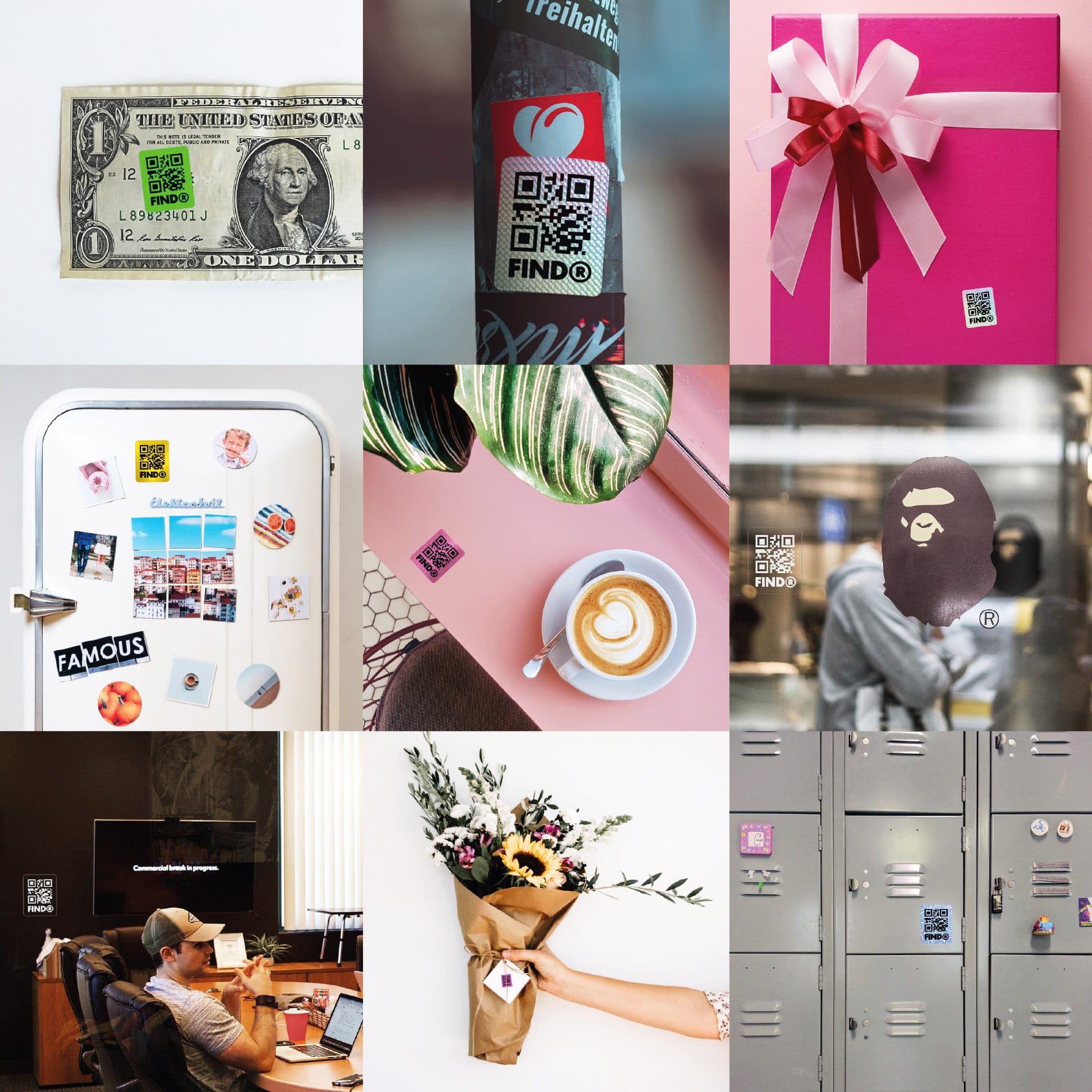
This decision pulled our entire R&D team into new territory: Letting people chat through a QR code is not just about messages appearing on a screen. It forces you to build real social infrastructure. Reporting systems, user moderation, blocking and limiting interactions, content control, abuse prevention, data handling, identity logic, all of it had to exist and work flawlessly.
Apple does not care about ideas. Apple cares about safety, responsibility, and compliance.
The moment Walls became a shared space, we were obligated to comply with social network level requirements of the App Store. That meant building tools most early stage products never anticipate. After four months of unexpectedly hard development, far beyond what we initially imagined, we finally submitted the app with Wall mode enabled.
At that point, FindR was no longer just a utility. It was officially a social network.
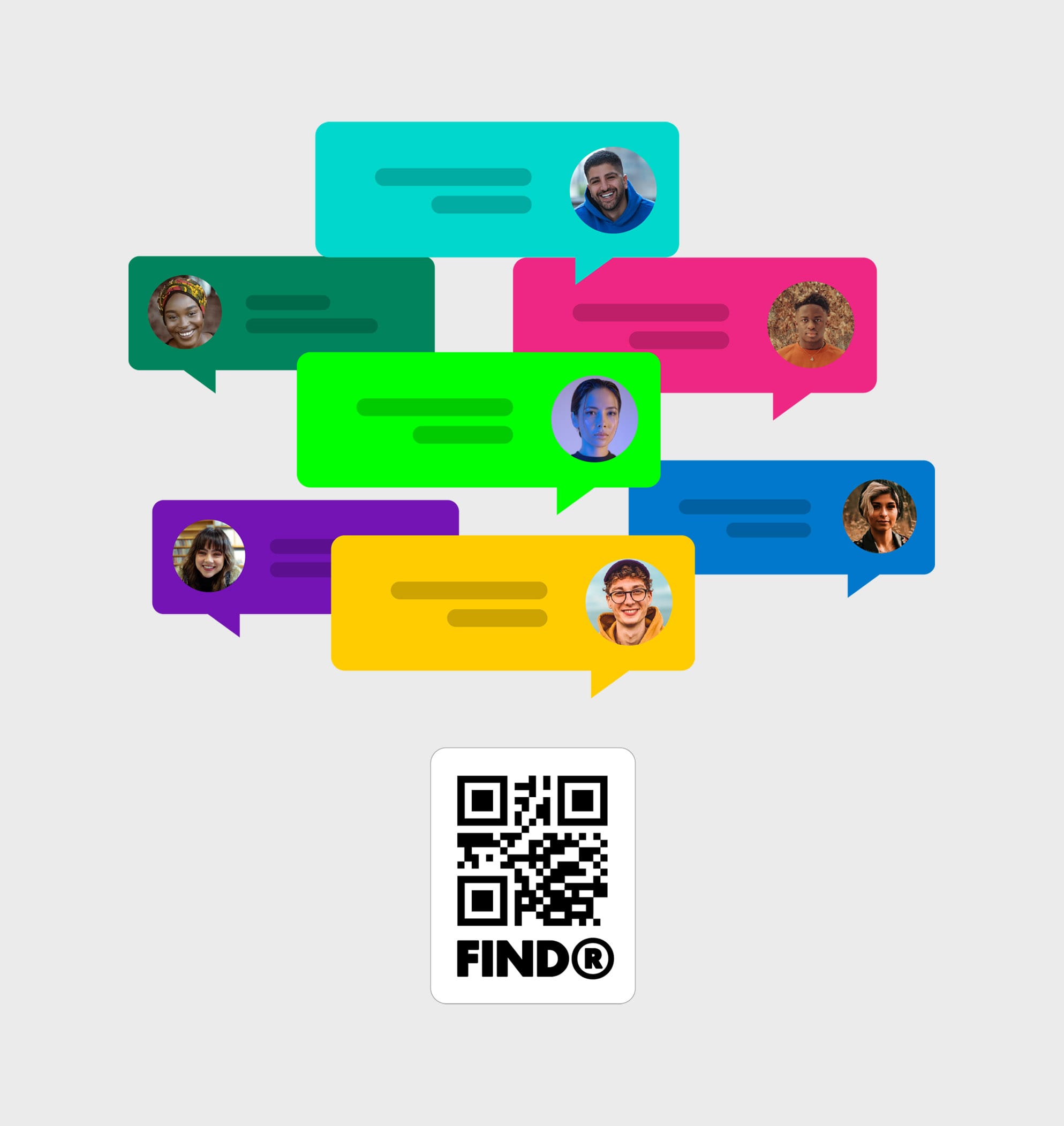
And then something rare happened. Apple accepted the app straight away. No rejection. No revision loop. No back and forth. Anyone who has shipped an app knows how uncommon this is. Usually, you revise once, twice, sometimes more, just to comply with their rules. This time, we passed. Not because we were lucky, but because we had done the work properly. That was the moment we knew that FindR Walls were not just a nice idea, but a solid, compliant, and scalable foundation for something much bigger.
They carry messages, questions, memories, scribbles, announcements, and sometimes love notes left in a hurry. FindR Walls were born from the idea that a wall could do more than display information. It could connect people.
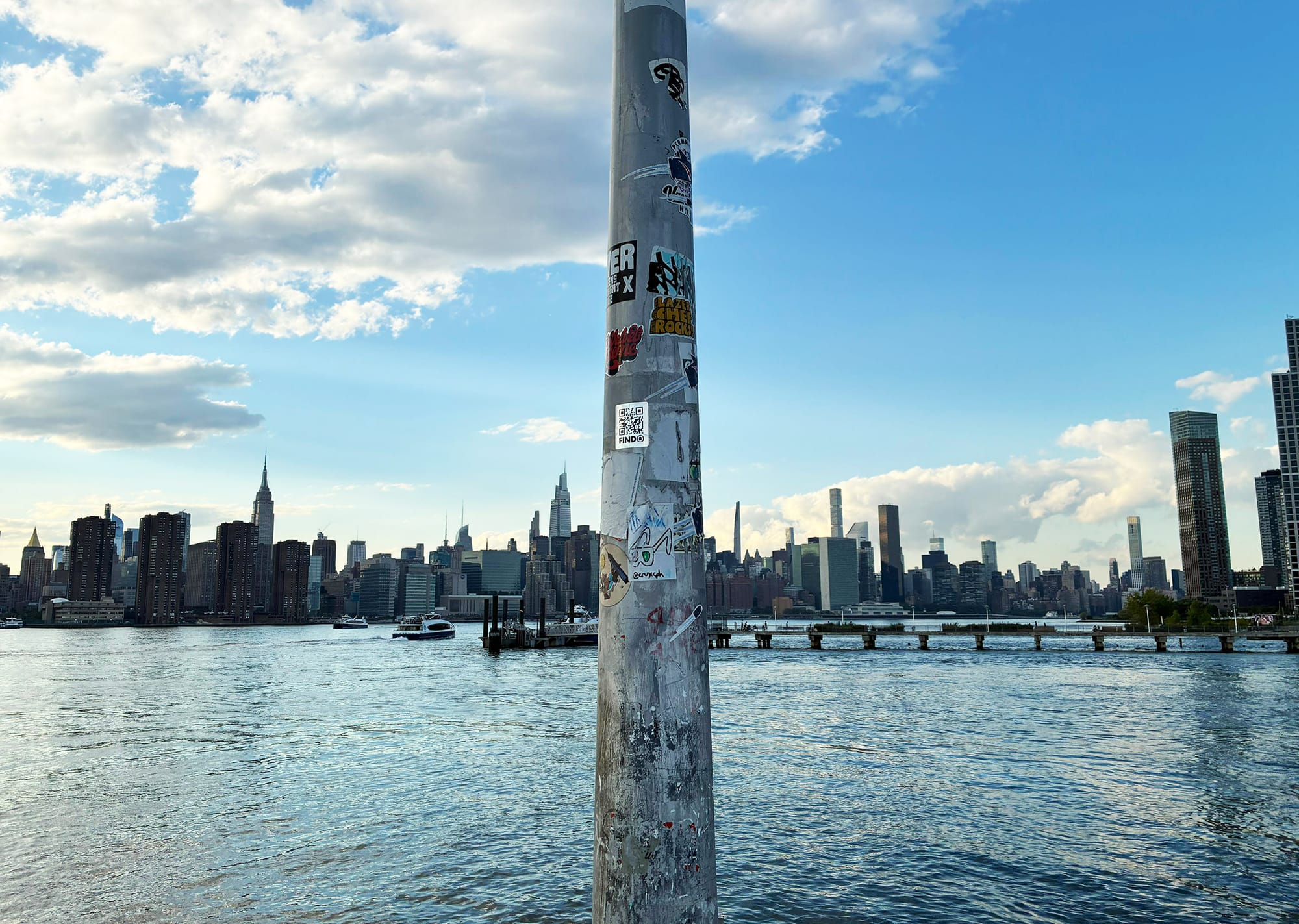
But what really matters is not the wall itself. It is what people do with it. So here are a few use cases examples:
A wall that builds local communities
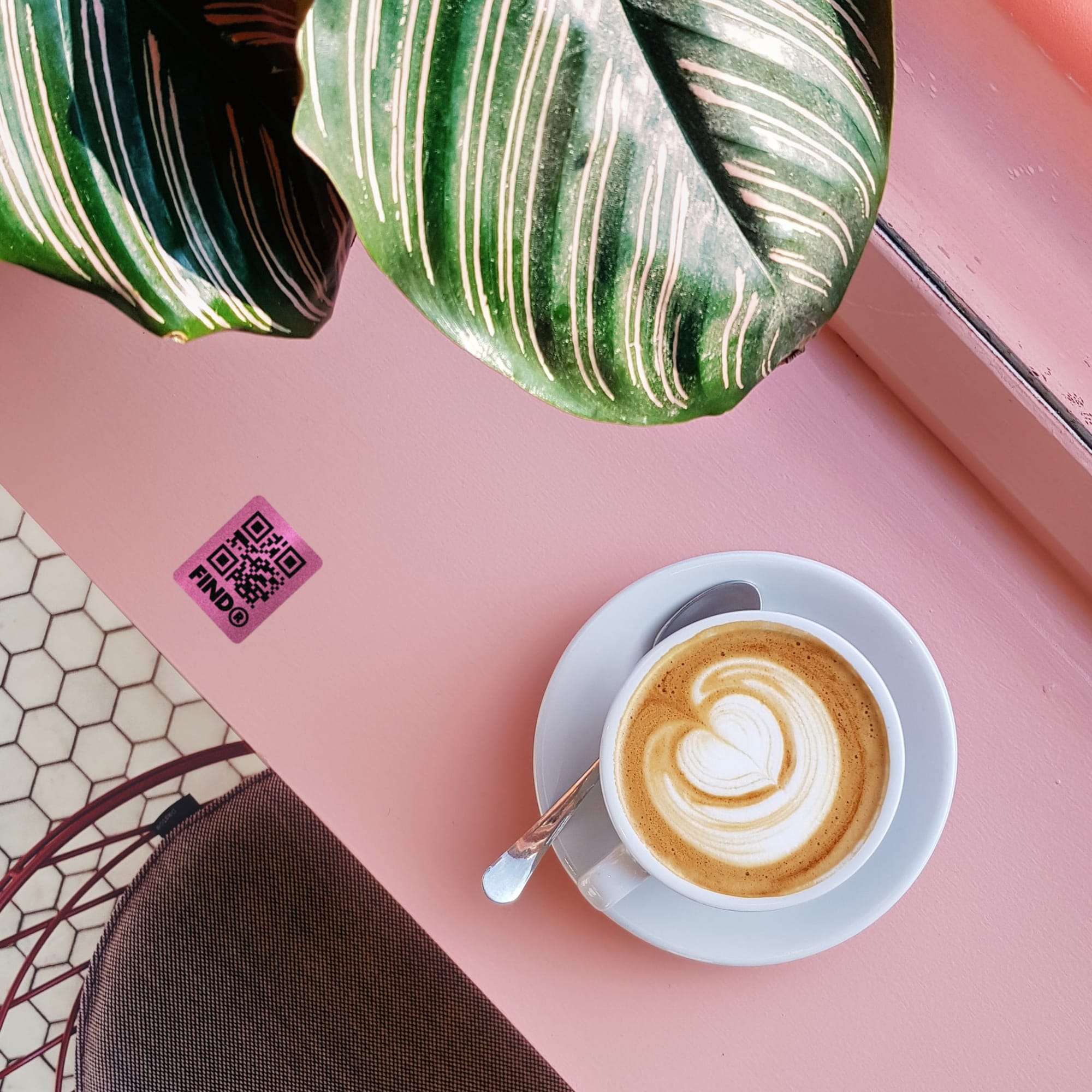
In a café, a sticker lives quietly near the counter. Regulars use it to share recommendations, playlists, events, or a simple hello. Newcomers scan it to understand the vibe of the place. What is happening this week. Who plays music here on Fridays. Which pastry everyone loves. The wall becomes a digital memory of the place, shaped by the people who pass through it. It evolves every day. It feels alive.
A wall that turns into a scavenger hunt
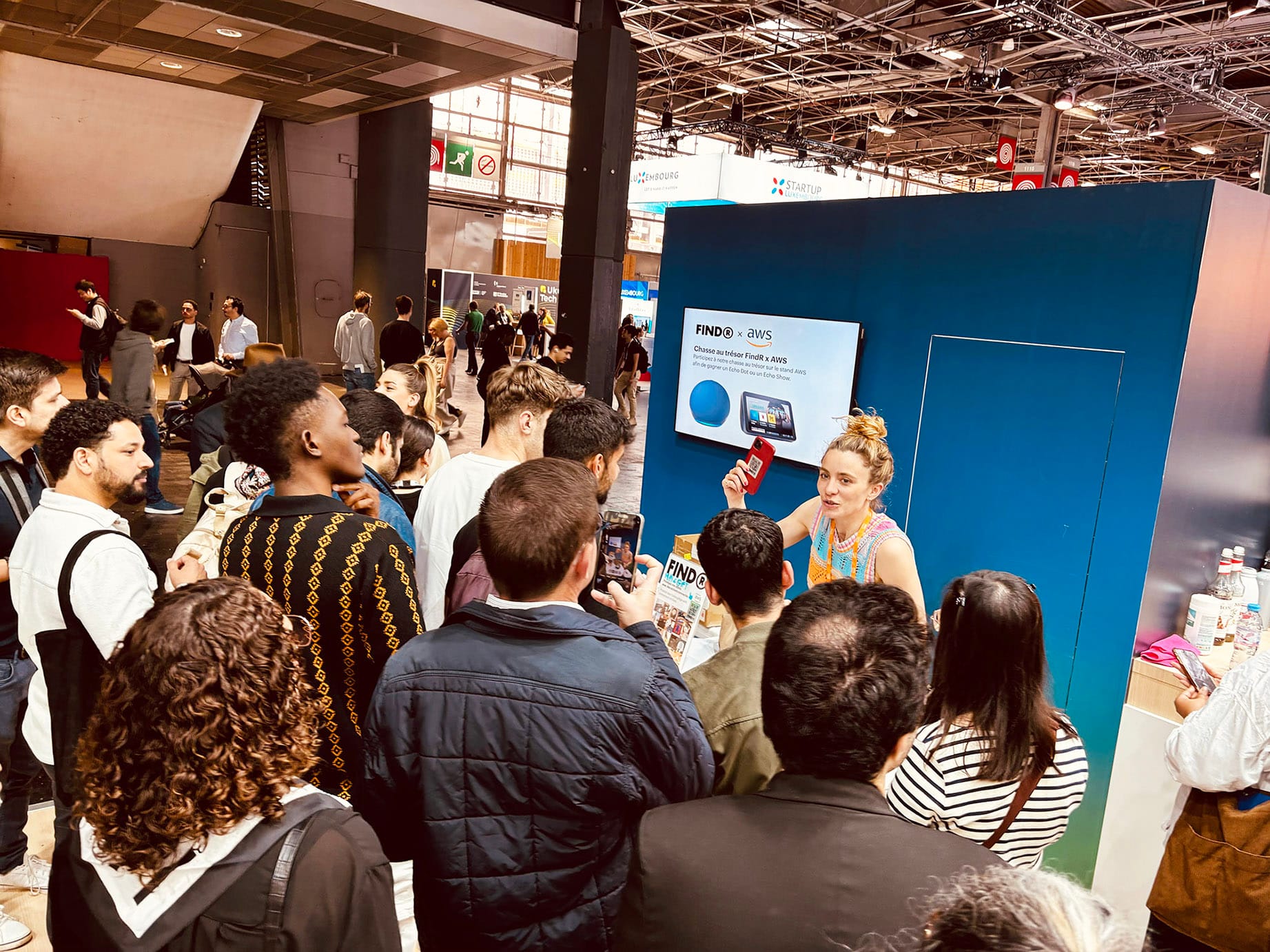
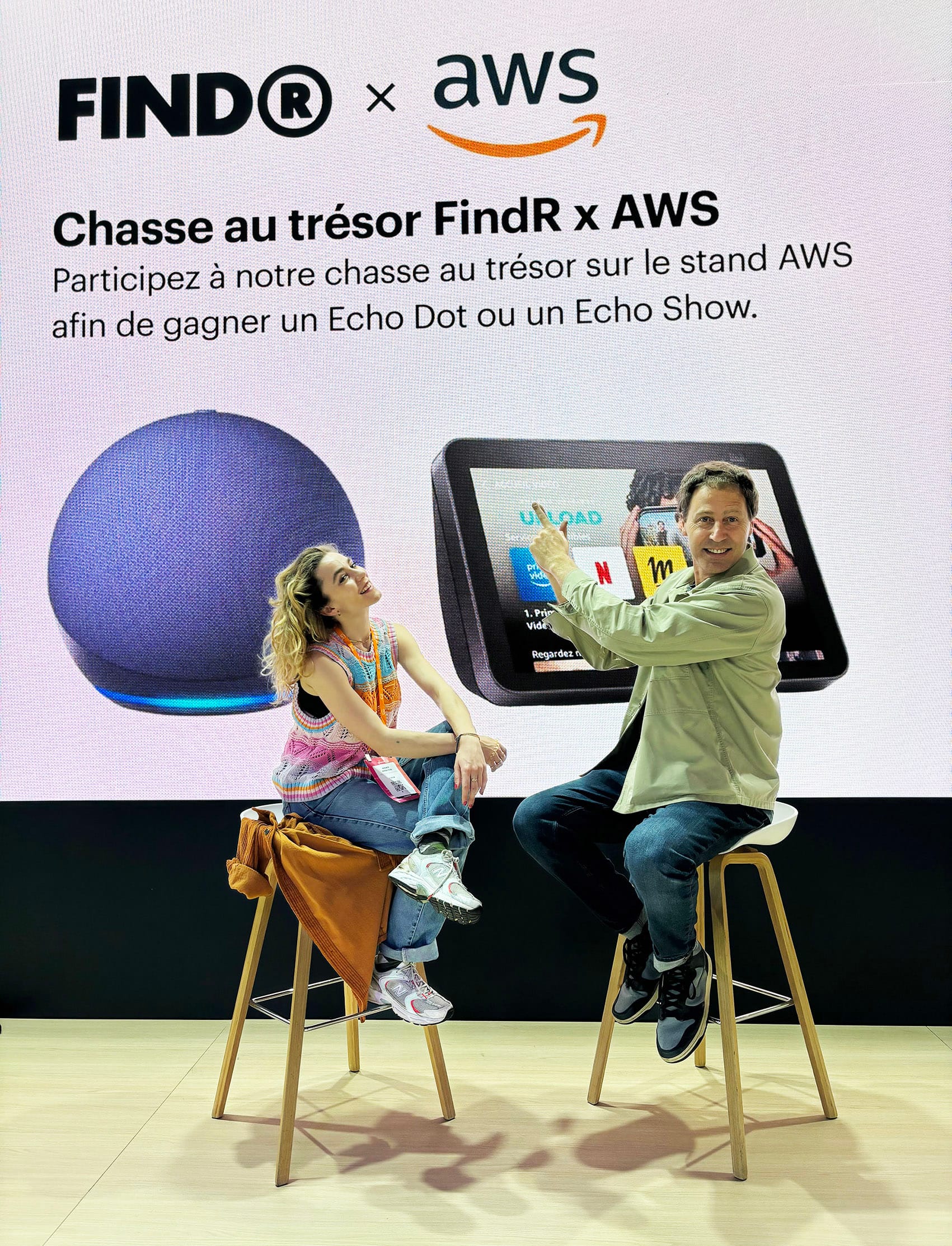
At VivaTech, with Amazon Web Services, a FindR Wall became a scavenger hunt hidden inside the stand. Stickers were placed across the various AWS booths, quietly waiting to be discovered. Participants scanned, followed clues, unlocked messages, and moved from one space to another without instructions, just curiosity.
Each scan revealed the next step, a hint, a reward, tied to the place they were standing in. Strangers compared progress, shared tips, laughed when they got stuck, and celebrated when they cracked the final clue. The wall was no longer static. For a few hours, the event became a shared game.
The DJs Wall
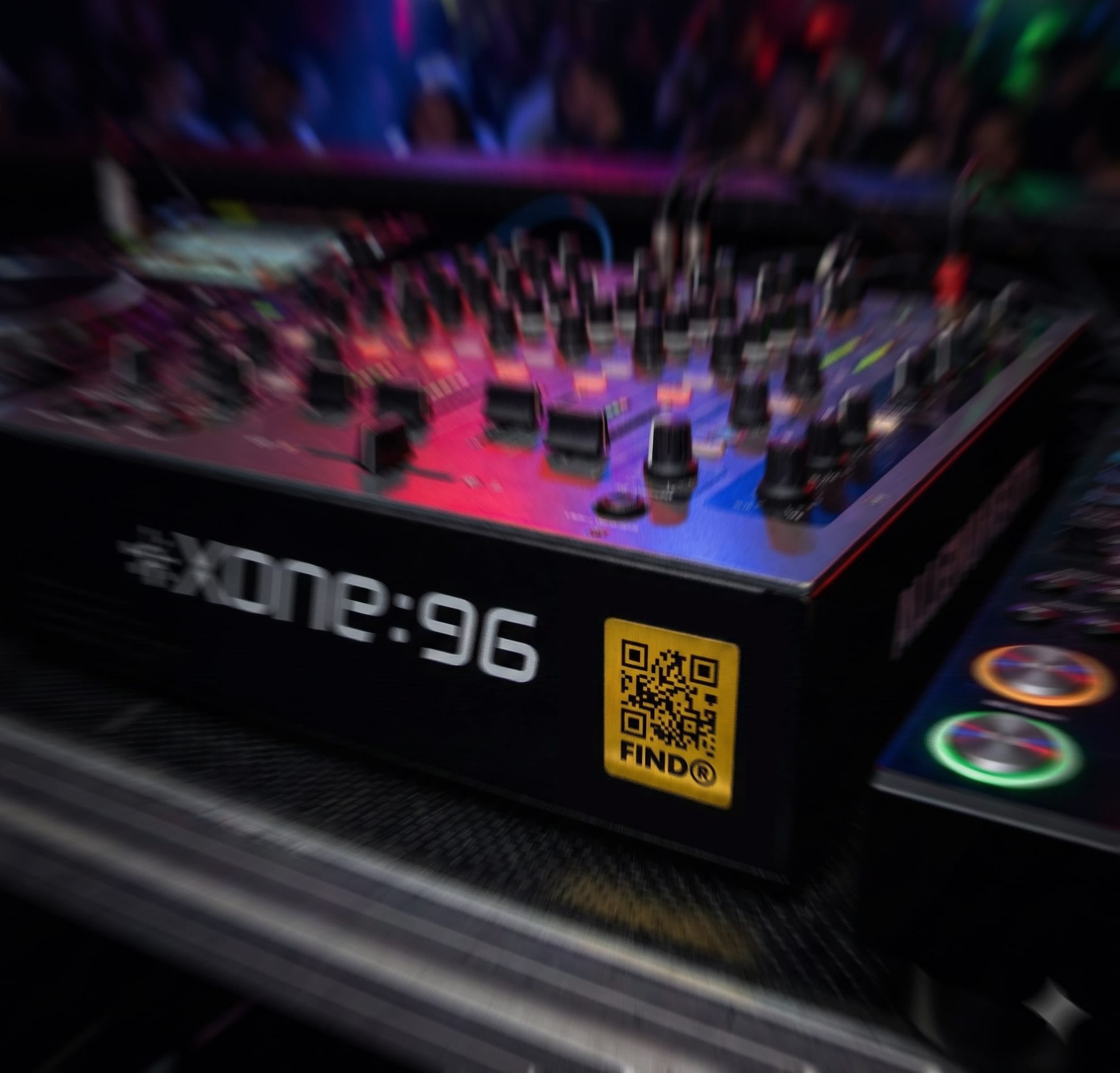
In a secret club, the FindR Wall is available to scan in the DJ Booth, and it turns into an interactive exclusive experience. Artists leave messages and come back to scan again, not because they have to, but because they want to see what changed and who is member of the club... a club within the club... The wall becomes part of the venue story.
Airbnb Walls
In a Airbnb, FindR Walls become the first thing guests scanned after dropping the bags. Wifi access, house rules, check out instructions, local tips, emergency contacts, favorite cafés, hidden beaches, running routes, taxi numbers. Everything in one place, always up to date, no paper to lose. Hosts stopped answering the same questions again and again. Guests felt autonomous, informed, and welcomed.
Family announcement!
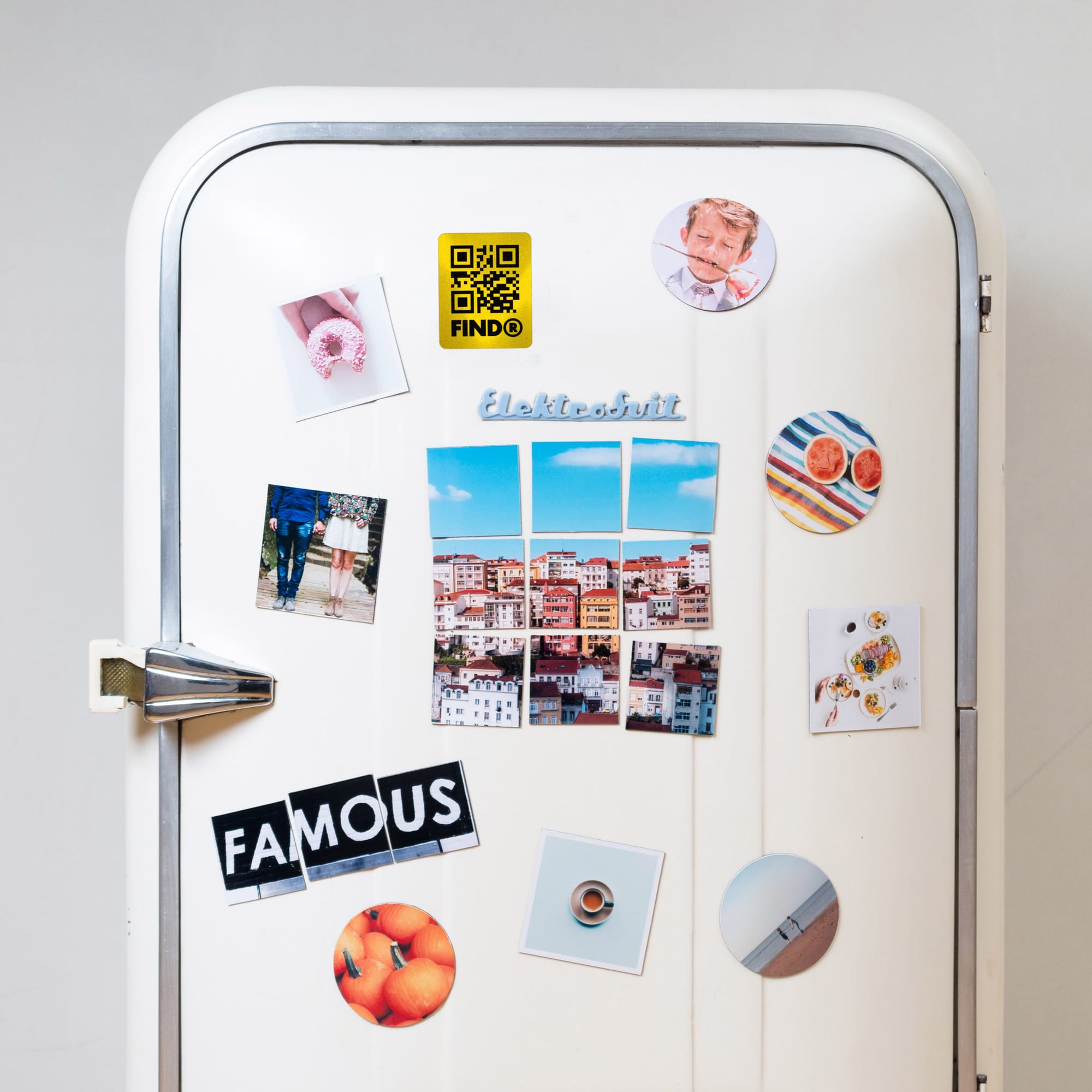
Some stories went beyond practical use: One day, a FindR member used a FindR Sticker linked to a FindR Wall to share something deeply personal. She announced the upcoming birth of her child. Her Dad discovered the message. Congratulations appeared. Hearts. Short notes of joy. A digital celebration. It was not loud. It was not intrusive. It was simply human. A wall holding a life moment.
An hotel guest book that never closes
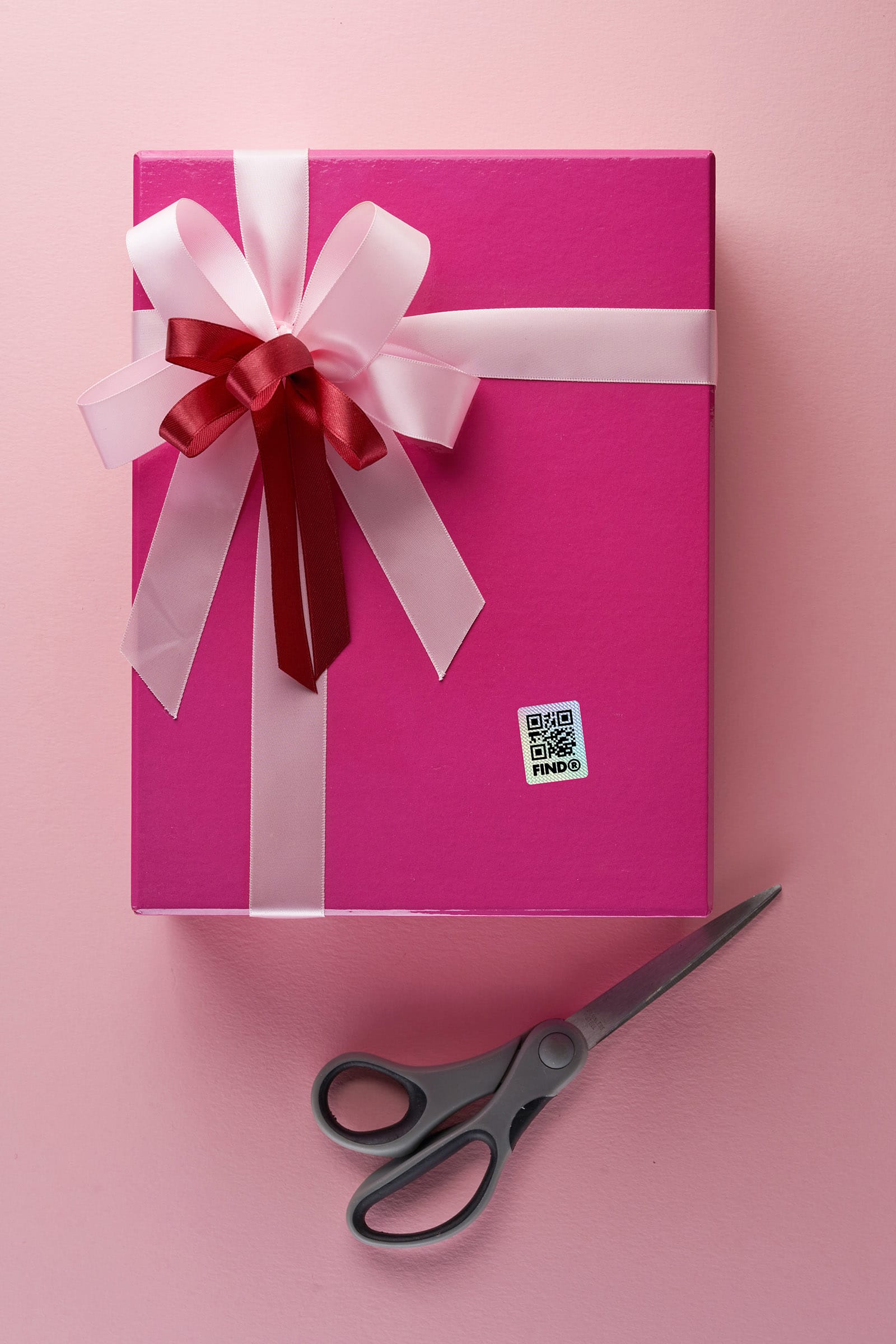
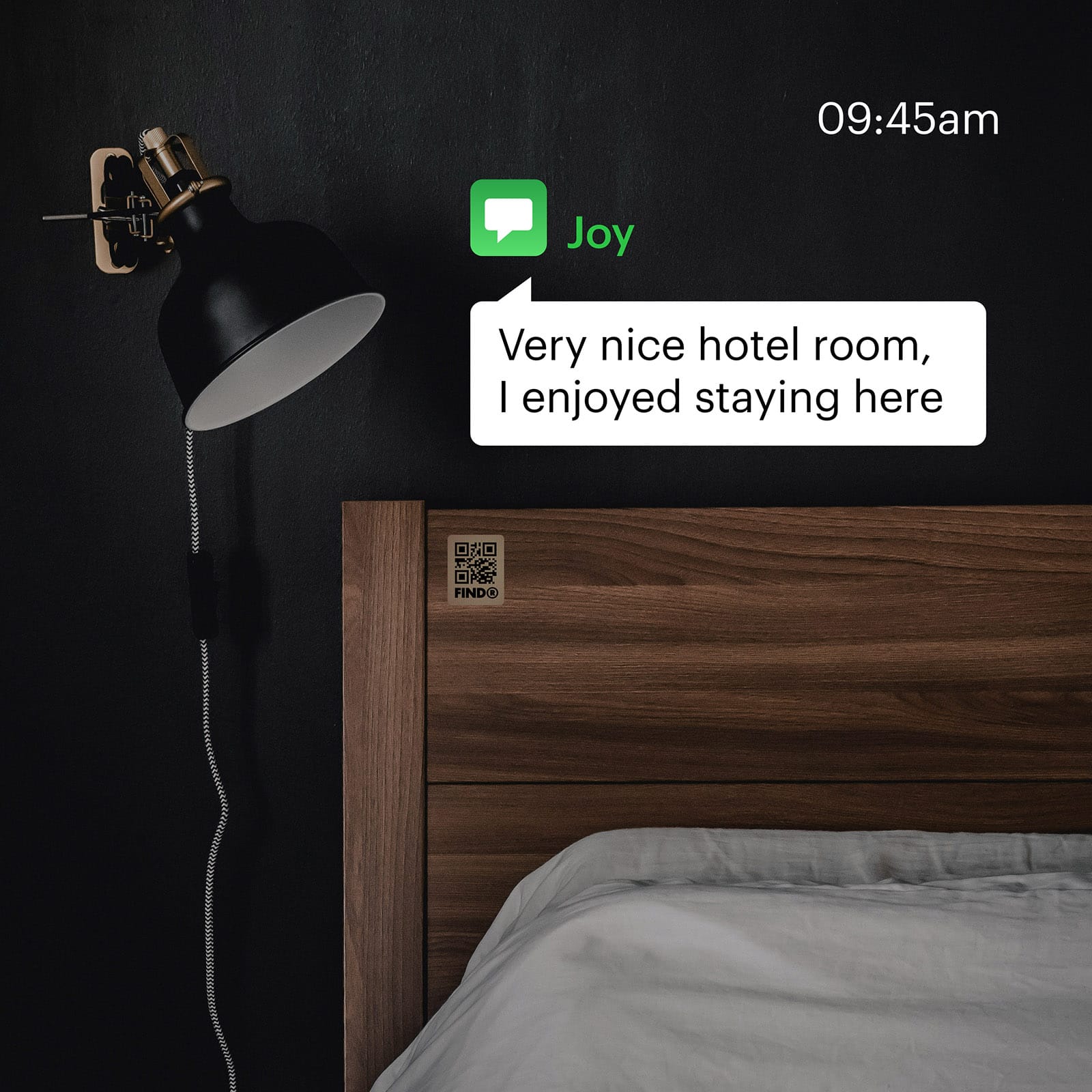
In a boutique hotel, the FindR Wall quietly replaced the traditional guest book.
No pen. No paper. No pages filled once and forgotten. Guests scan the wall and leave messages from their stay. A recommendation for the next visitor. A thank you note to the host. The wall become a living memory of the place.
Office notes that belong to everyone
In offices and shared workspaces, FindR Walls turned into collective notebooks.
Meeting notes left after a workshop. Ideas written at the end of a brainstorm. Links, reminders, inside jokes, small wins.
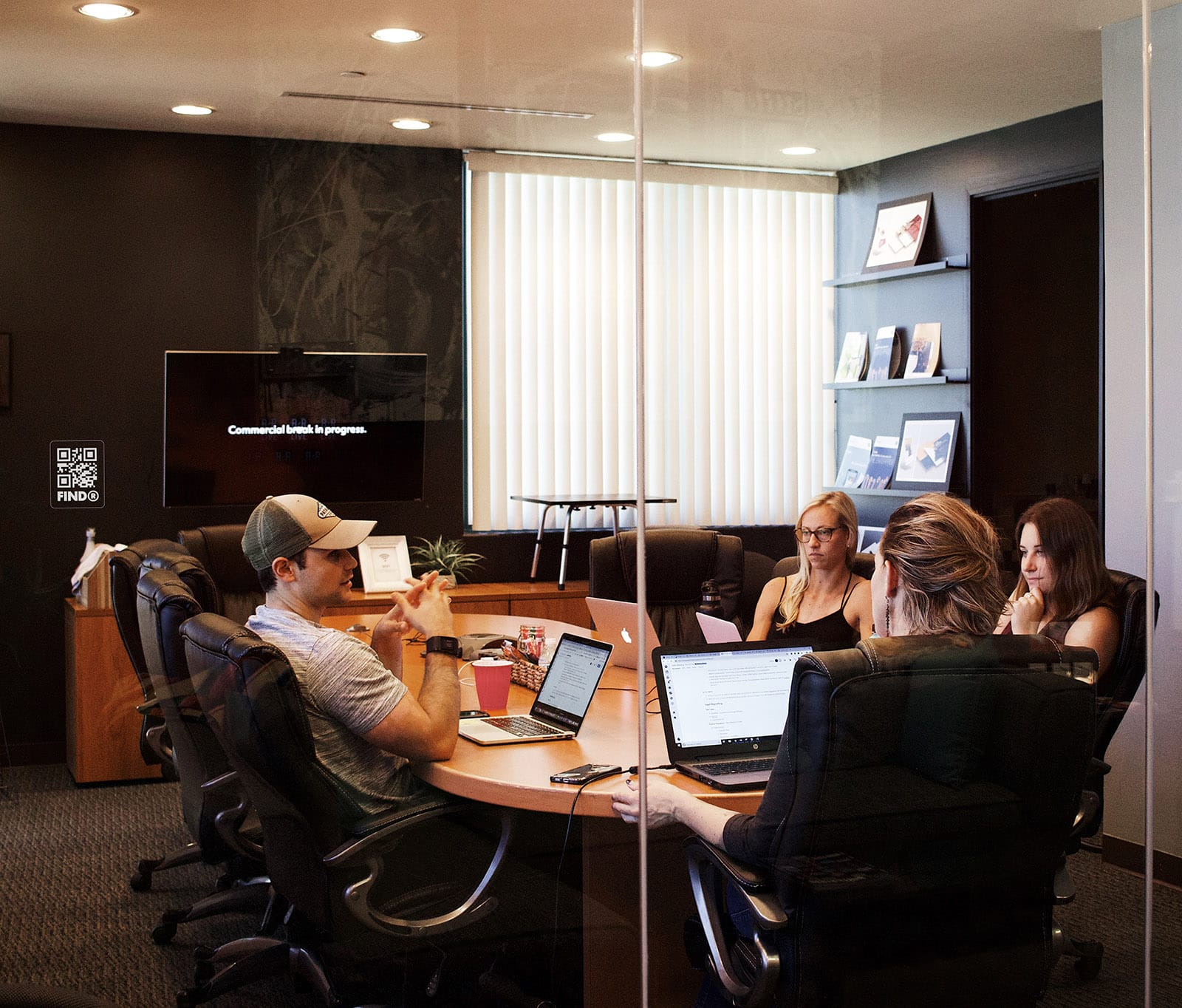
Instead of disappearing in a private chat or a forgotten email, thoughts stayed visible and accessible. Anyone could scan, read, and add something. The wall did not replace tools. It anchored them in the physical space.

FindR Walls are new digital 'Post-it'.
They transform anonymous spaces into shared experiences. They give physical places digital soul and memories.